



What are the disadvantages of lost wax steel casting?
As a lost wax steel casting supplier, I've had the privilege of working closely with this remarkable process for numerous years. Lost wax casting, also known as investment casting, is a highly versatile and time - honored method that has been used to create intricate and high - quality steel components. However, like any manufacturing method, it is not without its disadvantages. In this blog, I will delve into some of the drawbacks associated with lost wax steel casting.
High Cost
One of the most significant disadvantages of lost wax steel casting is the high cost involved. The process is complex and labor - intensive, requiring multiple steps such as wax pattern creation, shell building, molten metal pouring, and finishing. Wax patterns must be crafted with precision, often using injection molding techniques. This requires specialized equipment and skilled labor. Additionally, the materials used in the process, such as high - quality waxes, refractory materials for the investment shells, and the steel itself, can be expensive.
The cost of producing small - to medium - sized batches is especially prohibitive. For mass - production, tooling costs become a substantial part of the overall expense. For example, in the production of Investment Casting Door Hinge Hardware, creating the wax patterns and the necessary molds is a costly upfront investment. This makes lost wax casting less attractive for projects with tight budgets or those requiring large quantities of parts at a low cost.
Long Production Cycle
Another drawback is the long production cycle associated with lost wax steel casting. Each step of the process takes time, from wax pattern manufacturing to the final finishing of the cast part. Creating a wax pattern can involve designing, prototyping, and then injecting the wax into the mold. After that, the pattern must be assembled into a cluster, and then the investment shell is built layer by layer.
The shell building process is time - consuming as it often involves multiple dipping steps and drying periods. Once the shell is complete, it needs to be heated to remove the wax and then pre - heated before the molten steel is poured. After solidification, the shell must be broken away, and the part has to go through various finishing processes. For complex parts like Investment Precision Casting Door Hinge, the entire process can take weeks, which is a significant drawback for projects with tight deadlines.
Limited Size and Shape Constraints
Although lost wax casting is known for its ability to create complex shapes, there are still limitations. In terms of size, very large parts can be challenging to produce using this method. The investment shell may not be able to withstand the pressure of the molten steel for extremely large components, and there can be issues with uniform cooling and solidification.
Regarding shape, while it excels at creating intricate details, parts with very thin walls or large, flat surfaces may pose problems. Thin - walled parts can be difficult to fill completely with molten steel, leading to incomplete castings or porosity. Large, flat surfaces can develop shrinkage defects during the cooling process, as the metal contracts unevenly. For instance, when producing Solar Trackers Spare Parts, some parts may have specific size and shape requirements that are on the edge of the lost wax casting capabilities.
Porosity and Defects
Porosity and other casting defects are common issues in lost wax steel casting. Porosity occurs when gas bubbles are trapped in the solidifying metal, which can weaken the part and reduce its mechanical properties. This can be caused by several factors, such as improper venting of the investment shell, moisture in the shell or the wax pattern, or problems with the pouring process.
In addition to porosity, other defects like inclusions, shrinkage cavities, and cracks can also occur. Inclusions are foreign materials that get trapped in the casting, and they can result from contaminants in the steel or the investment materials. Shrinkage cavities form when the metal contracts during solidification and there is not enough molten metal to fill the void. Cracks can develop due to stresses during cooling or uneven solidification. Addressing these defects often requires additional inspection and post - processing steps, which further increase the cost and time of production.
Environmental Impact
The lost wax steel casting process also has some environmental drawbacks. The use of wax patterns involves the consumption of non - renewable petrochemical - based waxes. Additionally, the shell building process uses large amounts of refractory materials. These materials are often mined and processed, which can have a significant impact on the environment, including soil erosion and water pollution.
The melting of steel requires a large amount of energy, typically sourced from fossil fuels in many steel - making facilities. The high - temperature furnaces emit greenhouse gases, contributing to global warming. Disposal of the used investment shells can also be a problem as they are often classified as industrial waste.
Surface Finish Limitations
Even though lost wax casting can produce parts with relatively good surface finish, there are still limitations. Micro - roughness can be present on the surface of the cast parts, which may require additional finishing operations such as grinding, polishing, or coating. For applications where a very smooth and flawless surface is required, these additional steps can be time - consuming and expensive.
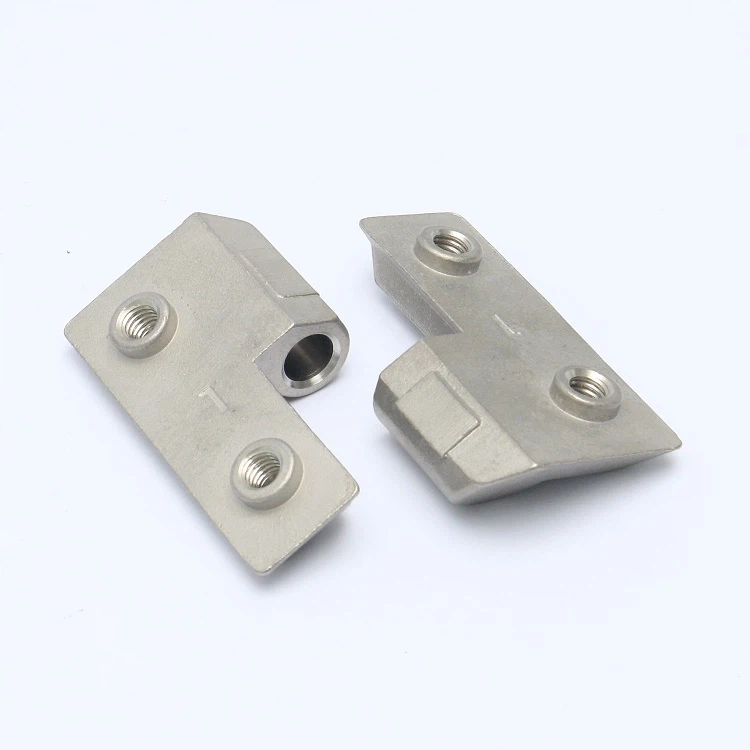
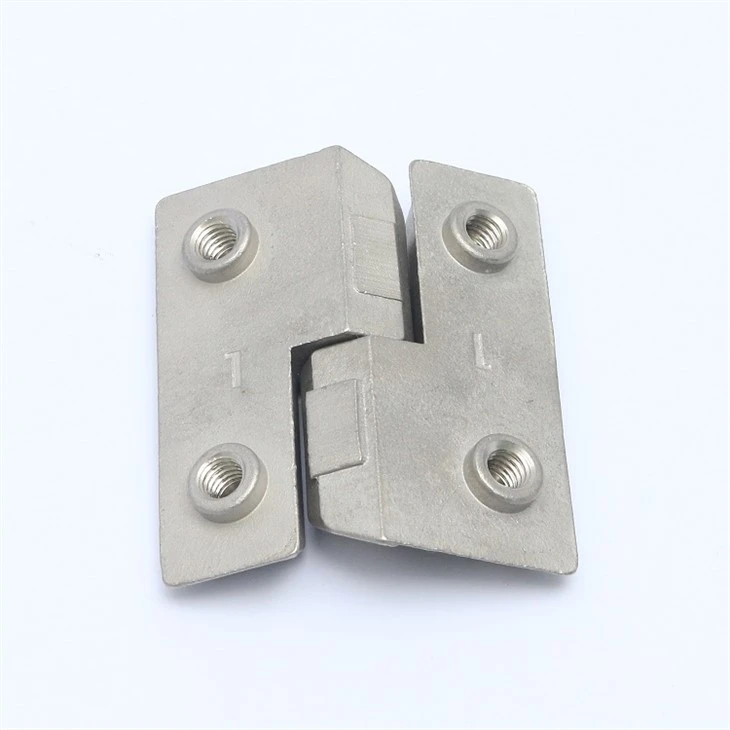
Also, the choice of steel and the pouring conditions can affect the surface finish. Some steels may have a tendency to form oxide layers during the casting process, which can result in a dull or irregular surface. Additionally, any inclusions or porosity near the surface can also affect the final appearance, making it necessary to perform extra surface treatment to achieve the desired finish.
Conclusion
Despite these disadvantages, lost wax steel casting remains a vital and widely - used manufacturing process. Its ability to create complex and highly accurate parts makes it indispensable in many industries such as aerospace, automotive, and jewelry. As a lost wax steel casting supplier, I understand the challenges and are constantly working on improving the process to minimize these drawbacks.
If you are considering purchasing lost wax steel cast parts for your specific application, I encourage you to reach out to us for a detailed discussion. We can help you understand how these disadvantages may or may not impact your project and work with you to find the best solutions. Whether it's Investment Casting Door Hinge Hardware, Investment Precision Casting Door Hinge, or Solar Trackers Spare Parts, we are here to support your procurement needs. Contact us today to start the conversation about your casting requirements.
References
- "Investment Casting: Process, Materials, and Applications" by John Doe.
- "Modern Steel Casting Technology" by Jane Smith.
- Industry reports on metal casting processes from various research institutions.