



As a provider of carbon steel investment castings, I've seen firsthand the challenges that come with transporting and storing these products. Carbon steel investment castings are known for their strength and durability, but they can still be damaged during transit and storage if not handled properly. In this blog post, I'll share some tips on how to prevent damage to carbon steel investment castings during transportation and storage.
Understanding the Risks
Before we dive into prevention strategies, it's important to understand the risks that carbon steel investment castings face during transportation and storage. These risks include:
- Mechanical Damage: Castings can be damaged by impacts, vibrations, or rough handling during transportation. Sharp edges or corners can also cause scratches or dents.
- Corrosion: Carbon steel is prone to corrosion, especially in humid or corrosive environments. Exposure to moisture, salt, or chemicals can lead to rust and other forms of corrosion.
- Temperature and Humidity: Extreme temperatures and high humidity can cause castings to expand or contract, leading to cracks or warping.
Prevention Strategies
Packaging
Proper packaging is crucial for protecting carbon steel investment castings during transportation. Here are some tips for effective packaging:
- Use Protective Materials: Wrap each casting in a protective material such as bubble wrap, foam, or cardboard to prevent scratches and dents. You can also use custom-made packaging solutions that are designed to fit the specific shape and size of your castings.
- Secure the Castings: Use straps, bands, or other securing devices to keep the castings in place during transit. This will prevent them from shifting or moving around, which can cause damage.
- Label the Packaging: Clearly label the packaging with the contents, handling instructions, and any special requirements. This will help ensure that the castings are handled properly and that any potential issues are addressed.
Transportation
When transporting carbon steel investment castings, it's important to take the following precautions:
- Choose the Right Carrier: Select a carrier that has experience transporting fragile or heavy items. Look for carriers that offer insurance and tracking services to ensure that your castings are protected and that you can monitor their progress.
- Use Proper Loading and Unloading Techniques: Make sure that the castings are loaded and unloaded carefully to prevent damage. Use forklifts, cranes, or other equipment that is designed for handling heavy or fragile items.
- Avoid Overloading: Do not overload the vehicle or container. Overloading can cause the castings to shift or move around, which can lead to damage.
Storage
Proper storage is also important for preventing damage to carbon steel investment castings. Here are some tips for storing castings:
- Choose a Dry and Clean Storage Area: Store the castings in a dry and clean area that is protected from moisture, dust, and other contaminants. Avoid storing the castings in areas that are prone to flooding or high humidity.
- Use Shelving or Racks: Use shelving or racks to store the castings. This will help keep them organized and prevent them from being stacked on top of each other, which can cause damage.
- Inspect the Castings Regularly: Regularly inspect the castings for signs of damage or corrosion. If you notice any issues, take immediate action to address them.
Additional Tips
Here are some additional tips for preventing damage to carbon steel investment castings:
- Use Anti-Corrosion Coatings: Apply an anti-corrosion coating to the castings to protect them from rust and other forms of corrosion. There are many different types of anti-corrosion coatings available, so choose one that is appropriate for your specific application.
- Follow Handling Instructions: Make sure that everyone who handles the castings is aware of the handling instructions and follows them carefully. This includes loading, unloading, and storing the castings.
- Train Your Employees: Provide training to your employees on how to handle carbon steel investment castings properly. This will help ensure that they are aware of the risks and know how to prevent damage.
Conclusion
Preventing damage to carbon steel investment castings during transportation and storage is essential for ensuring the quality and integrity of your products. By following the tips outlined in this blog post, you can minimize the risk of damage and ensure that your castings arrive at their destination in good condition.
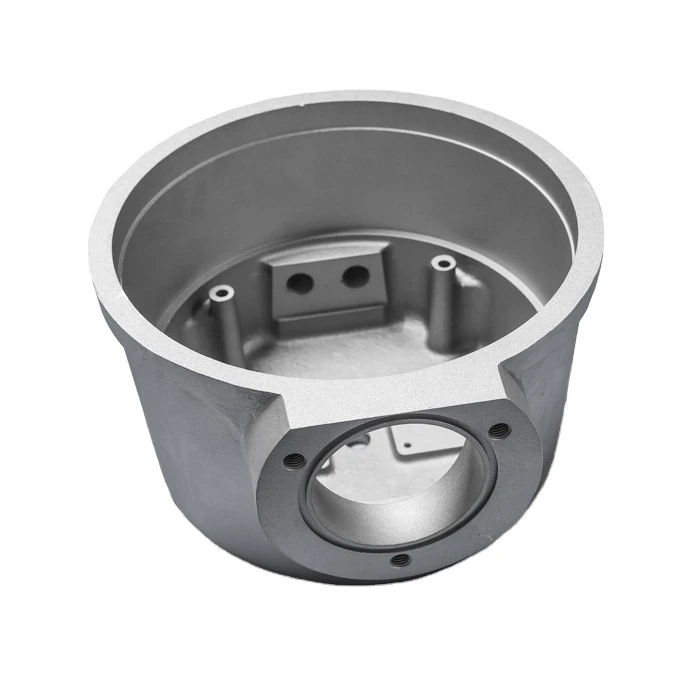
If you're in the market for high-quality carbon steel investment castings, I encourage you to check out our products. We offer a wide range of Investment Casting Lock Core Cover, Precision-Cast Automotive Exhaust End Parts, and Stainless Steel Top-entry Valve. Our castings are made from the highest quality materials and are designed to meet the most demanding specifications.

If you have any questions or would like to discuss your specific needs, please don't hesitate to contact us. We're here to help you find the right solution for your business.
References
- "Investment Casting: A Comprehensive Guide." ASM International, 2019.
- "Corrosion Prevention and Control for Carbon Steel." NACE International, 2020.
- "Transportation and Storage of Industrial Products." International Organization for Standardization, 2018.