



Precision castings valve bodies play a crucial role in various industries, from oil and gas to water treatment and beyond. As a leading supplier of precision castings valve bodies, we understand the significance of ensuring high - quality products. In this blog, we will discuss the key factors and strategies to ensure the quality of precision castings valve bodies.
1. Material Selection
The first step in ensuring the quality of precision castings valve bodies is the proper selection of materials. Different applications require different material properties. For example, in corrosive environments, stainless steel is often the material of choice due to its excellent corrosion resistance. We carefully evaluate the requirements of each project and select the most appropriate material.
When choosing materials, we consider factors such as mechanical properties, chemical composition, and heat - treatment capabilities. High - strength materials are essential for valve bodies that need to withstand high pressures. Additionally, the material's ability to resist wear and tear is crucial for long - term performance.
2. Design Optimization
A well - designed valve body is the foundation of a high - quality precision casting. Our engineering team uses advanced design software to create detailed 3D models of the valve bodies. This allows us to simulate the casting process and identify potential issues before production begins.
We pay close attention to factors such as wall thickness, fillet radii, and draft angles. Proper wall thickness ensures uniform cooling during the casting process, reducing the risk of defects such as shrinkage and porosity. Fillet radii help to reduce stress concentrations, improving the overall strength of the valve body. Draft angles facilitate the removal of the casting from the mold.
3. Casting Process Control
The casting process is a critical stage in the production of precision castings valve bodies. We use state - of - the - art casting techniques, such as investment casting and water glass casting. Investment casting offers high precision and excellent surface finish, while water glass casting is cost - effective for large - scale production.
During the casting process, we closely monitor parameters such as temperature, pressure, and pouring speed. Maintaining the right temperature is essential for proper metal flow and solidification. Incorrect temperature can lead to defects like cold shuts or hot tears. Pressure control ensures that the molten metal fills the mold completely, avoiding voids.
4. Quality Inspection
Quality inspection is an integral part of our production process. We have a comprehensive quality control system in place to ensure that every valve body meets the highest standards. Our inspection methods include non - destructive testing (NDT) techniques such as ultrasonic testing, magnetic particle testing, and radiographic testing.
Ultrasonic testing is used to detect internal defects such as cracks and porosity. Magnetic particle testing is effective for detecting surface and near - surface defects in ferromagnetic materials. Radiographic testing provides a detailed view of the internal structure of the casting, allowing us to identify any hidden flaws.
In addition to NDT, we also conduct dimensional inspection to ensure that the valve bodies meet the specified tolerances. We use precision measuring tools such as coordinate measuring machines (CMMs) to accurately measure the dimensions of the castings.
5. Heat Treatment
Heat treatment is often required to improve the mechanical properties of the precision castings valve bodies. We carefully select the appropriate heat - treatment process based on the material and the desired properties. Common heat - treatment processes include annealing, quenching, and tempering.
Annealing is used to relieve internal stresses and improve the machinability of the casting. Quenching and tempering can increase the hardness and strength of the valve body. By controlling the heat - treatment parameters, we can achieve the desired balance of properties for each application.

6. Surface Finish
A good surface finish is not only aesthetically pleasing but also important for the functionality of the valve body. We use various surface - finishing techniques to improve the surface quality of the castings. These techniques include grinding, polishing, and shot blasting.
Grinding and polishing can achieve a smooth surface, reducing friction and improving the sealing performance of the valve. Shot blasting is used to clean the surface of the casting and improve its corrosion resistance.
7. Supplier Management
As a precision castings valve body supplier, we understand the importance of working with reliable suppliers. We carefully select our raw material suppliers and conduct regular audits to ensure the quality of the materials they provide.
We also maintain a good relationship with our suppliers, communicating our quality requirements clearly. This helps to ensure that the materials we receive meet our standards and contribute to the overall quality of our valve bodies.
Related Products
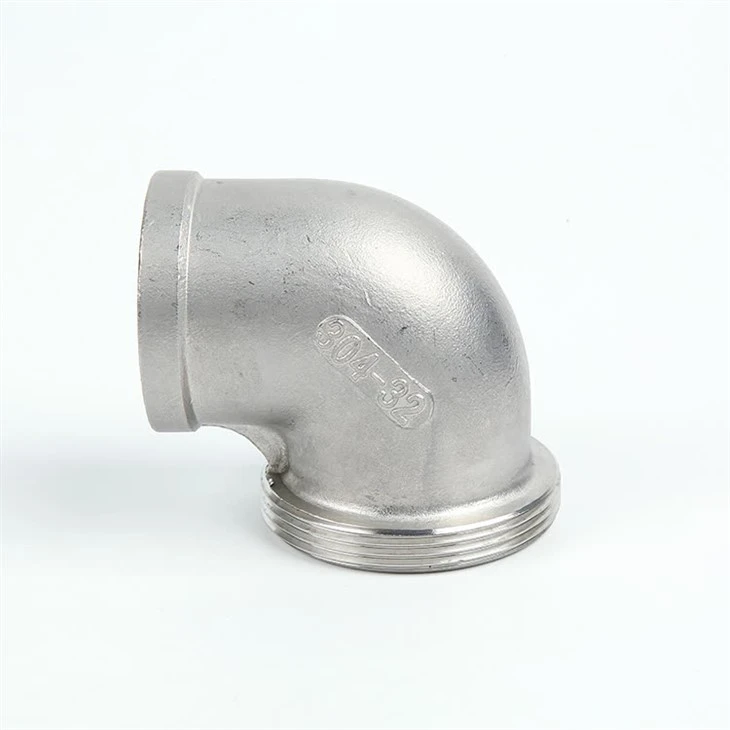
In addition to precision castings valve bodies, we also offer a range of related products. For example, we supply Food Screening Machinery Components, which are essential for the food industry. Our Stainless Steel Connector Elbow Joint is widely used in piping systems, providing a reliable connection. And our Water Glass Casting Parts are known for their high quality and cost - effectiveness.
Conclusion
Ensuring the quality of precision castings valve bodies requires a comprehensive approach that encompasses material selection, design optimization, casting process control, quality inspection, heat treatment, surface finish, and supplier management. As a professional supplier, we are committed to providing high - quality valve bodies that meet the diverse needs of our customers.
If you are interested in our precision castings valve bodies or any of our related products, we invite you to contact us for procurement and negotiation. We look forward to working with you to meet your specific requirements.
References
- Smith, J. (2018). Precision Casting Technology. Elsevier.
- Jones, R. (2019). Quality Control in Manufacturing. Wiley.
- Brown, A. (2020). Materials for Engineering Applications. McGraw - Hill.