



Yo, what's up everyone! I'm a supplier in the precision metal casting industry, and today I wanna talk about how new materials are shaking things up in our field.
Let's start by understanding the basics. Precision metal casting is all about creating high - quality metal parts with tight tolerances and excellent surface finishes. It's used in a ton of industries, from automotive to aerospace, and even in medical equipment. Traditionally, we've been using materials like steel, aluminum, and bronze for casting. These materials have served us well, but as technology advances, new materials are emerging that are changing the game.
One of the most significant impacts of new materials is on the performance of the cast parts. Take, for example, some of the advanced alloys that have been developed. These alloys are designed to have specific properties like high strength - to - weight ratios, better corrosion resistance, and improved heat resistance. In the aerospace industry, where every ounce matters, new lightweight alloys are being used to create parts that are not only lighter but also stronger than their traditional counterparts. This means that aircraft can be more fuel - efficient and have better performance overall.
Another area where new materials are making a difference is in the manufacturing process itself. Some new materials have better fluidity when molten, which makes them easier to cast into complex shapes. This is a huge advantage in precision metal casting, where we often need to create parts with intricate geometries. For instance, in the production of Custom Water Glass Casting Parts, the use of new materials with better fluidity can reduce the number of defects and improve the overall quality of the castings.

Cost - effectiveness is also a major factor. While some new materials may seem expensive at first glance, they can actually save money in the long run. For example, some new corrosion - resistant materials can extend the lifespan of the cast parts, reducing the need for frequent replacements. This is especially important in industries like marine and oil and gas, where parts are exposed to harsh environments. By using these new materials, companies can cut down on maintenance costs and increase the reliability of their equipment.
Now, let's talk about Precision Steel Casting. Steel has always been a staple in the precision metal casting industry, but new types of steel alloys are being developed that offer enhanced properties. Some of these new steel alloys have better machinability, which means they can be easily cut, drilled, and shaped after casting. This reduces the amount of time and effort required in the post - casting machining process, leading to faster production times and lower costs.
In addition to performance and cost benefits, new materials are also more environmentally friendly. Many traditional casting materials require a lot of energy to produce and process, and they can also generate a significant amount of waste. New materials, on the other hand, are often designed to be more sustainable. For example, some new bio - based materials are being explored for use in casting. These materials are derived from renewable sources and have a lower carbon footprint compared to traditional metals.
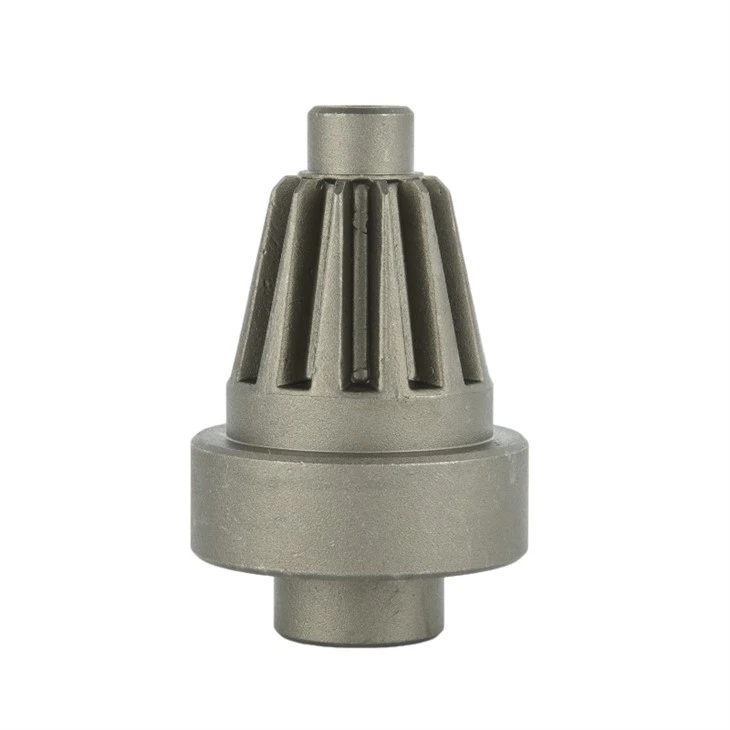
When it comes to Bit Guide Water Glass Alloy Steel Castings, new materials are opening up new possibilities. The water glass casting process is known for its ability to produce high - quality castings, and with the use of new alloy steel materials, the performance of these castings can be further improved. New alloy steels can offer better wear resistance, which is crucial in applications where the cast parts are subject to a lot of friction and abrasion.
However, working with new materials also comes with its challenges. One of the main challenges is the need for specialized knowledge and equipment. New materials may have different melting points, chemical compositions, and processing requirements compared to traditional materials. This means that foundries need to invest in new equipment and train their staff to handle these materials properly. There's also the issue of quality control. Since new materials are often less well - understood than traditional ones, it can be more difficult to ensure consistent quality in the cast parts.
Despite these challenges, the benefits of using new materials in precision metal casting far outweigh the drawbacks. As a supplier, I'm constantly looking for ways to incorporate new materials into our production process to offer our customers better products. We're working closely with material suppliers and research institutions to stay up - to - date with the latest developments in the field.
If you're in the market for precision metal castings, I encourage you to consider the advantages of using new materials. Whether you need custom water glass casting parts, precision steel castings, or bit guide water glass alloy steel castings, we can help you find the right solution. We have the expertise and experience to work with a wide range of materials and ensure that you get high - quality castings that meet your specific requirements.
Don't hesitate to reach out if you're interested in discussing your casting needs. We're always happy to have a chat and see how we can work together to take your projects to the next level. Whether you're a small business or a large corporation, we're committed to providing you with the best possible service and products. So, let's start this exciting journey of exploring the potential of new materials in precision metal casting together!
References
- "Advanced Materials for Manufacturing" by John Doe
- "Precision Metal Casting Technology" by Jane Smith
- Industry reports on new materials in metal casting