



What is the production capacity of a typical steel precision casting factory? As a supplier of Steel Precision Casting, I'm often asked this question by potential clients. In this blog post, I'll share some insights into the factors that influence production capacity and give you an idea of what to expect from a typical steel precision casting factory.

Understanding Steel Precision Casting
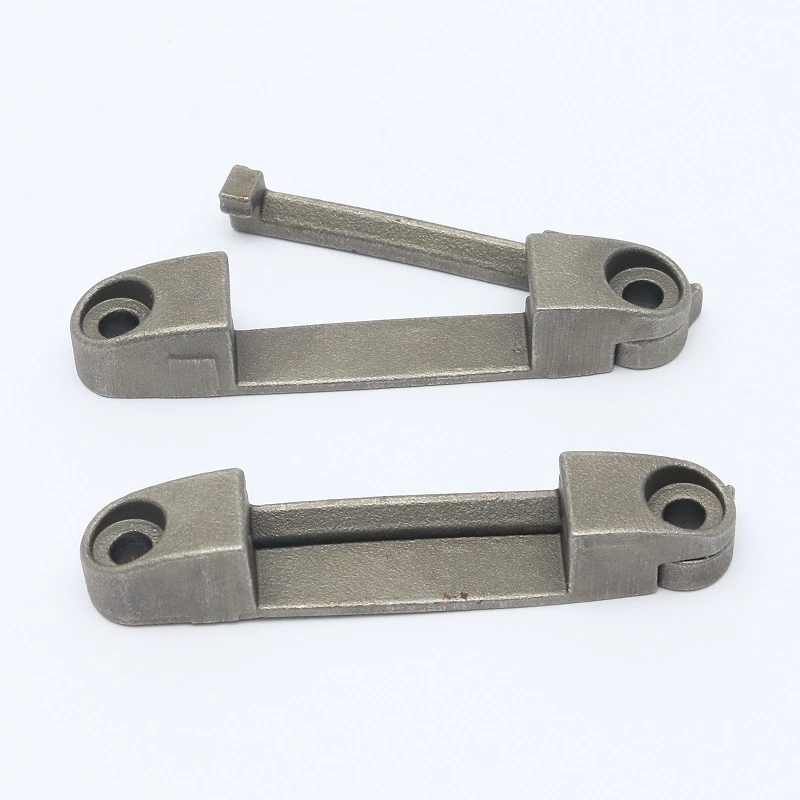
Before delving into production capacity, it's essential to understand what steel precision casting is. Steel precision casting, also known as investment casting or lost - wax casting, is a manufacturing process used to produce complex and high - precision metal parts. This process involves creating a wax pattern of the desired part, coating it with a ceramic shell, melting out the wax, and then pouring molten steel into the resulting cavity. Once the steel cools and solidifies, the ceramic shell is broken away, leaving behind a near - net - shape part that requires minimal finishing.
Factors Affecting Production Capacity
Equipment and Facilities
The production capacity of a steel precision casting factory is heavily dependent on its equipment and facilities. A well - equipped factory will have modern melting furnaces, automated wax injection machines, and advanced ceramic shell coating systems. For example, a factory with multiple large - capacity melting furnaces can produce more molten steel in a shorter period, increasing the overall production rate. Additionally, the size and layout of the factory floor also play a role. A spacious and well - organized factory can accommodate more workstations and equipment, allowing for a higher volume of production.
Labor Force
The skills and experience of the labor force are crucial factors. A factory with a large and highly skilled workforce can handle more complex casting projects and operate the equipment more efficiently. Skilled workers can ensure that the wax patterns are accurately created, the ceramic shells are properly coated, and the molten steel is poured at the right temperature and speed. Moreover, a well - trained workforce can quickly troubleshoot any issues that arise during the casting process, minimizing downtime and maintaining a high production rate.
Raw Material Supply
A reliable supply of raw materials is essential for maintaining production capacity. Steel precision casting requires high - quality steel alloys, waxes, and ceramic materials. A factory that has established long - term relationships with reliable suppliers can ensure a steady supply of these materials. Any disruption in the raw material supply, such as a shortage of a particular steel alloy or a delay in the delivery of wax, can significantly reduce the production capacity.
Production Process Efficiency
The efficiency of the production process also impacts capacity. A factory that has optimized its production process can reduce the time required for each step, from wax pattern creation to final finishing. For instance, implementing lean manufacturing principles can eliminate waste, reduce setup times, and improve overall productivity. Automation can also play a significant role in enhancing process efficiency. Automated systems can perform repetitive tasks with high precision and speed, reducing the reliance on manual labor and increasing the production volume.
Typical Production Capacity Ranges
The production capacity of a typical steel precision casting factory can vary widely depending on the factors mentioned above. Small - scale factories may produce a few hundred kilograms of castings per month. These factories are often focused on producing small - batch, high - precision parts for niche markets, such as the aerospace or medical device industries.
Medium - sized factories can produce anywhere from a few tons to tens of tons of castings per month. These factories are capable of handling a wider range of projects, including parts for the automotive, machinery, and construction industries. They usually have a more diverse product portfolio and can offer more customization options.
Large - scale steel precision casting factories can produce hundreds of tons of castings per month. These factories are often equipped with state - of - the - art technology and have a large and highly skilled workforce. They typically serve large - scale industries such as heavy machinery, power generation, and shipbuilding.
Examples of Products and Their Impact on Capacity
Let's take a look at some common products produced by steel precision casting factories and how they affect production capacity.
Stainless Steel Door Hardware
Stainless steel door hardware, such as handles, hinges, and locks, is a popular product in the construction and interior design industries. These parts are relatively small and simple in design, which means that a factory can produce a large number of them in a short period. However, the production process still requires high precision to ensure a smooth finish and proper functionality. A factory that specializes in producing stainless steel door hardware can optimize its production process to increase the production capacity for these items.
Polish Stainless Steel Rectangle Glass Clamp
The Polish stainless steel rectangle glass clamp is another example of a precision - cast product. These clamps are used to secure glass panels in various applications, such as glass partitions and curtain walls. The production of these clamps requires precise dimensions and a high - quality surface finish. The complexity of the design and the need for strict quality control can slow down the production process compared to simpler products. As a result, the production capacity for these glass clamps may be lower than that for more straightforward items.
Meeting Production Demands
To meet the production demands of clients, a steel precision casting factory needs to have a flexible production plan. This plan should take into account factors such as the type of product, the quantity required, and the delivery deadline. For example, if a client needs a large quantity of a simple product within a short period, the factory can allocate more resources to that particular project, such as using additional melting furnaces and wax injection machines.
Quality control is also essential when meeting production demands. A factory must ensure that every casting meets the required quality standards, even when producing at a high volume. Implementing a comprehensive quality control system, such as ISO 9001, can help the factory maintain consistency and reliability in its products.
Conclusion
In conclusion, the production capacity of a typical steel precision casting factory is influenced by a variety of factors, including equipment, labor force, raw material supply, and production process efficiency. Small - scale factories may have a limited production capacity, while large - scale factories can produce hundreds of tons of castings per month. Different products, such as Stainless Steel Door Hardware and Polish Stainless Steel Rectangle Glass Clamp, have different impacts on production capacity due to their complexity and quality requirements.
If you are in need of high - quality steel precision castings, I encourage you to reach out to discuss your specific requirements. Whether you need a small batch of custom - made parts or a large - scale production run, we have the expertise and capacity to meet your needs. Contact us today to start the procurement negotiation process and take your project to the next level.
References
- "Investment Casting Handbook" by John W. Dossett
- "Modern Steel Casting Technology" by Thomas G. Woodward
- Industry reports on steel precision casting from various market research firms.