



Hey there! As a supplier of precision castings valve body, I know how crucial it is to ensure the chemical stability of these parts. In this blog, I'm gonna share some tips and tricks on how we can make sure our precision castings valve bodies stay chemically stable.
Understanding the Basics of Chemical Stability
First off, let's talk about what chemical stability means. Chemical stability refers to the ability of a material to resist chemical reactions under certain conditions. For precision castings valve bodies, this means they need to be able to withstand exposure to various chemicals, temperatures, and pressures without corroding, degrading, or changing their properties.
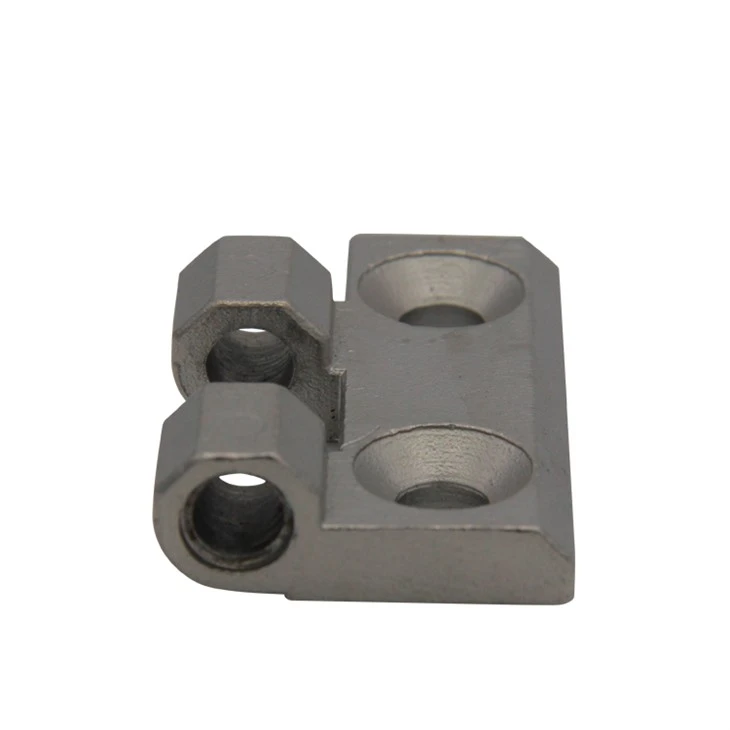

The chemical stability of a precision castings valve body depends on several factors, including the material it's made of, the manufacturing process, and the environment it operates in. For example, if a valve body is made of a metal that's prone to corrosion, it's gonna have a harder time staying chemically stable in a corrosive environment.
Choosing the Right Materials
One of the most important steps in ensuring the chemical stability of precision castings valve bodies is choosing the right materials. There are several types of materials that can be used for valve bodies, each with its own set of properties and advantages.
- Stainless Steel: Stainless steel is a popular choice for valve bodies because it's corrosion-resistant, strong, and durable. It contains chromium, which forms a thin layer of oxide on the surface of the metal, protecting it from corrosion. There are different grades of stainless steel available, each with different levels of corrosion resistance and other properties.
- Brass: Brass is another common material for valve bodies. It's easy to machine, has good corrosion resistance, and is relatively inexpensive. However, brass may not be suitable for applications where it will be exposed to certain chemicals or high temperatures.
- Bronze: Bronze is a strong and corrosion-resistant material that's often used for valve bodies in marine and other harsh environments. It contains copper and tin, which give it good mechanical properties and resistance to corrosion.
When choosing a material for a precision castings valve body, it's important to consider the specific requirements of the application, such as the type of chemicals it will be exposed to, the temperature and pressure conditions, and the expected lifespan of the valve body.
Controlling the Manufacturing Process
The manufacturing process also plays a crucial role in ensuring the chemical stability of precision castings valve bodies. Here are some key factors to consider:
- Casting Method: There are different casting methods available, such as sand casting, investment casting, and die casting. Each method has its own advantages and disadvantages, and the choice of casting method can affect the chemical stability of the valve body. For example, investment casting, also known as Precision Lost Wax Investment Casting, is a highly precise method that can produce complex shapes with good surface finish. This can help to reduce the risk of corrosion and other chemical reactions.
- Heat Treatment: Heat treatment is often used to improve the mechanical properties and chemical stability of the valve body. By heating and cooling the material in a controlled manner, it's possible to change its microstructure and improve its resistance to corrosion and other chemical reactions.
- Surface Finish: The surface finish of the valve body can also affect its chemical stability. A smooth surface finish can help to reduce the risk of corrosion and other chemical reactions, while a rough surface finish can provide more sites for corrosion to occur.
Managing the Operating Environment
The operating environment of the precision castings valve body is another important factor to consider when ensuring its chemical stability. Here are some tips on how to manage the operating environment:
- Keep it Clean: Regular cleaning and maintenance can help to remove any chemicals or contaminants that may be present on the surface of the valve body. This can help to prevent corrosion and other chemical reactions.
- Control the Temperature and Pressure: Extreme temperatures and pressures can cause the valve body to expand or contract, which can lead to stress and cracking. It's important to control the temperature and pressure within the recommended range to ensure the chemical stability of the valve body.
- Avoid Exposure to Harsh Chemicals: If possible, try to avoid exposing the valve body to harsh chemicals or substances that may cause corrosion or other chemical reactions. If exposure is unavoidable, make sure to choose a material that's resistant to the specific chemicals.
Quality Control and Testing
Finally, quality control and testing are essential to ensure the chemical stability of precision castings valve bodies. Here are some common tests and inspections that can be performed:
- Chemical Analysis: Chemical analysis can be used to determine the composition of the material and ensure that it meets the required specifications. This can help to identify any impurities or contaminants that may affect the chemical stability of the valve body.
- Corrosion Testing: Corrosion testing can be used to evaluate the resistance of the valve body to different types of corrosion, such as pitting corrosion, crevice corrosion, and stress corrosion cracking. This can help to identify any potential issues and ensure that the valve body will perform well in the intended operating environment.
- Non-Destructive Testing: Non-destructive testing methods, such as ultrasonic testing, radiography, and magnetic particle testing, can be used to detect any internal defects or flaws in the valve body that may affect its chemical stability.
Conclusion
Ensuring the chemical stability of precision castings valve bodies is essential for their performance and longevity. By choosing the right materials, controlling the manufacturing process, managing the operating environment, and performing quality control and testing, we can help to ensure that our valve bodies stay chemically stable and perform well in a variety of applications.
If you're in the market for precision castings valve bodies or other precision castings products, such as Precision Performance Castings or High Speed Rail Door Hinges, feel free to reach out to me for more information. I'd be happy to discuss your specific requirements and see how we can help you meet your needs.
References
- ASM Handbook, Volume 13A: Corrosion: Fundamentals, Testing, and Protection
- ASTM International Standards for Metals and Alloys
- NACE International Standards for Corrosion Control