



Engineered precision castings have long been lauded for their high - quality manufacturing and ability to meet complex design requirements. One of the critical questions that customers often ask is whether these castings are corrosion - resistant. As a supplier of engineered precision castings, I will delve into this topic to provide a comprehensive understanding.
Understanding Engineered Precision Castings
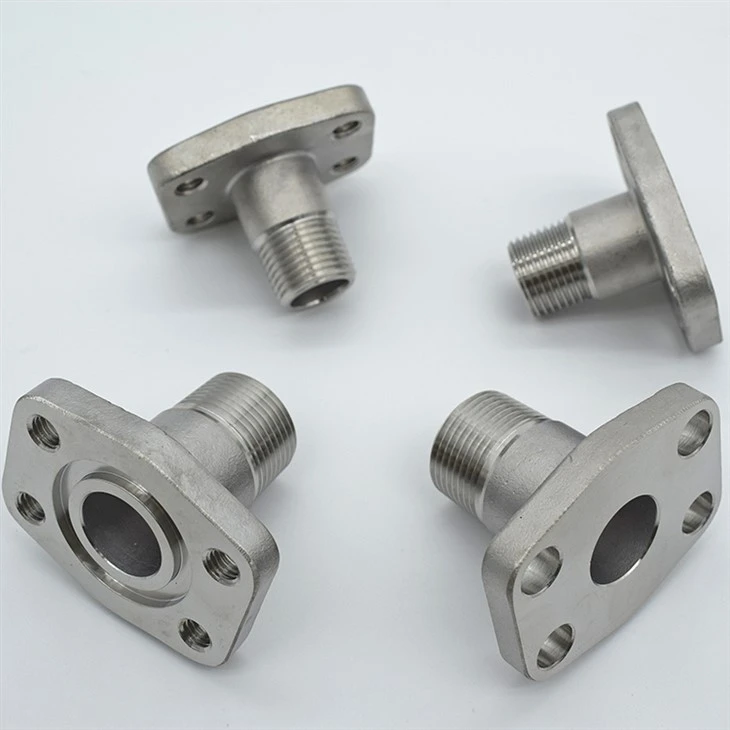
Engineered precision castings are meticulously crafted components manufactured through advanced casting techniques. These castings can be made from a variety of materials, including stainless steel, carbon steel, and other alloys. The precision in their production allows for the creation of parts with intricate geometries, tight tolerances, and superior surface finishes. This precision makes them ideal for use in a wide range of industries such as automotive, aerospace, and plumbing.
Engineered Precision Castings are often used in applications where performance and reliability are paramount. For example, in the aerospace industry, they are used in engine components and structural parts. In the automotive sector, they are employed in transmission systems and engine blocks. In plumbing, they can be found in fittings like Carbon Steel Threaded Tee and Stainless Steel Door Hardware.

Factors Affecting Corrosion Resistance
The corrosion resistance of engineered precision castings depends on several factors, primarily the material composition and the environment in which they are used.
Material Composition
- Stainless Steel: Stainless steel is a popular choice for engineered precision castings due to its excellent corrosion resistance. It contains chromium, which forms a thin, protective oxide layer on the surface of the metal. This layer acts as a barrier, preventing oxygen and moisture from reaching the underlying metal and thus inhibiting corrosion. The higher the chromium content, the greater the corrosion resistance. Additionally, other alloying elements such as nickel and molybdenum can further enhance the corrosion - resistant properties. For example, in marine environments where the castings are exposed to saltwater, stainless steel with a high molybdenum content is often used.
- Carbon Steel: Carbon steel, on the other hand, has relatively poor corrosion resistance compared to stainless steel. It is primarily composed of iron and carbon, and without proper protection, it can rust easily when exposed to oxygen and moisture. However, carbon steel can be treated with coatings or other protective measures to improve its corrosion resistance. For instance, it can be galvanized, which involves applying a layer of zinc to the surface. The zinc acts as a sacrificial anode, corroding in place of the steel.
Environmental Factors
- Moisture: Moisture is one of the primary catalysts for corrosion. In environments with high humidity or where the castings are in contact with water, the risk of corrosion increases significantly. For example, in outdoor applications or in industrial settings where there is a lot of steam, the castings need to have better corrosion - resistant properties.
- Chemicals: Exposure to chemicals can also cause corrosion. In industrial environments where the castings may come into contact with acids, alkalis, or other corrosive substances, special materials or coatings are required. For instance, in the chemical processing industry, engineered precision castings made from corrosion - resistant alloys or lined with polymers are often used.
- Temperature: High temperatures can accelerate the corrosion process. In applications where the castings are exposed to high - temperature environments, such as in power plants or furnaces, materials with high - temperature corrosion resistance are necessary.
Corrosion - Resistant Solutions for Engineered Precision Castings
As a supplier of engineered precision castings, we offer several solutions to enhance the corrosion resistance of our products.
Material Selection
We work closely with our customers to select the most appropriate material for their specific applications. If corrosion resistance is a top priority, we may recommend stainless steel or other corrosion - resistant alloys. For example, for applications in the food and beverage industry, where the castings need to be resistant to mild acids and cleaning agents, we often suggest using austenitic stainless steel.
Surface Treatments
- Coatings: Applying coatings is an effective way to improve the corrosion resistance of engineered precision castings. There are various types of coatings available, such as epoxy coatings, polyurethane coatings, and ceramic coatings. These coatings can provide a physical barrier between the metal and the environment, preventing corrosion. For example, in the oil and gas industry, epoxy coatings are commonly used on castings to protect them from corrosion in harsh underground or offshore environments.
- Passivation: Passivation is a chemical treatment that is often used on stainless steel castings. It involves immersing the castings in a solution that removes any iron particles from the surface and promotes the formation of a more protective oxide layer. This process can significantly enhance the corrosion resistance of stainless steel castings.
Case Studies
Let's look at some real - world examples to illustrate the corrosion resistance of engineered precision castings.
Case Study 1: Plumbing Applications
In a plumbing project, Carbon Steel Threaded Tee were used to connect pipes. Initially, there were concerns about corrosion due to the high - moisture environment. To address this, the carbon steel tees were galvanized. After several years of use, the tees showed minimal signs of corrosion, demonstrating that with proper treatment, carbon steel castings can have acceptable corrosion resistance in plumbing applications.
Case Study 2: Outdoor Door Hardware
Stainless Steel Door Hardware was installed on the exterior of a building. The hardware was exposed to the elements, including rain, sunlight, and humidity. Thanks to the high chromium and nickel content in the stainless steel, the hardware remained corrosion - free for an extended period. This example showcases the excellent corrosion resistance of stainless steel in outdoor applications.
Conclusion
In conclusion, engineered precision castings can be corrosion - resistant, but it depends on various factors such as material composition, environmental conditions, and the use of appropriate corrosion - resistant solutions. As a supplier of Engineered Precision Castings, we are committed to providing high - quality products with excellent corrosion resistance. We understand the unique requirements of each customer and work closely with them to ensure that the castings we provide meet their specific needs.
If you are in the market for engineered precision castings and have questions about corrosion resistance or want to discuss your project, we encourage you to get in touch. Our team of experts is ready to assist you in selecting the right materials and solutions for your applications. Let's work together to find the best engineered precision castings for your needs.
References
Davis, J. R. (Ed.). (2000). Stainless Steels. ASM International.
Schutz, W. A. (1989). Corrosion Control by Protective Coatings. NACE International.
ASM Handbook Committee. (2004). ASM Handbook: Volume 5, Surface Engineering. ASM International.